


When your nation is becoming self-sufficient in manufacturing the best quality weapons for its soldiers for a few years, you can consider it’s time to become a weapon exporter. India is doing the same and proceeding to become a weapon supplier to the world instead of just being one of the largest importers of weapons.
India is choosing and sending samples of the best weapon systems the DRDO or the Defense Research and Development Organization. Among those samples, we are showcasing the Tejas light combat advanced fighter jet, the supersonic cruise missile BrahMos and many others. In recent developments, the Philippines have purchased three batteries of BrahMos supersonic cruise missiles for their navy to increase their coastal defense capabilities in the South China Sea, whereas the Philippines Army has bought two batteries. Vietnam and Egypt have also shown interest in the BrahMos missile system.
But our story is a little different from all others you have already read and watched on TV and YouTube. So, please hang on till the end.
Malaysia’s Interest in Tejas:
For the last few years, Malaysia was looking for replacements for its aging air force planes including MiG 29, Sukhoi 30MKM, and F/A-18 Hornet. But finally, the Malaysian Air Force has chosen Tejas LCA over China’s JF-17, South Korea’s FA-50, and Russia’s MiG-35 and Yak-130 fighter jets. The cost of training and acquiring per plane will be around $40 Million which is much cheaper and more effective than any other competitors.
Apart from providing new Tejas and training the Malaysian Pilots, India will also provide spare parts and maintenance facilities for its MiG-29 fleet of 16 planes and Sukhoi 30MKM. These MiGs are currently grounded due to a lack of spare parts and engine problems. Furthermore, the sanctions on Russia are not allowing Malaysia to get the spare parts so India will provide the spare parts and keep the Malaysian MiGs flying worthy.
At the first round, Malaysia will purchase 18 or one full squadron of Tejas Mk-1A and after they are delivered, 18 more will be purchased from India they will be Tejas Mk-2. These Tejas planes will be capable of carrying 3500Kg payloads. India will also supply missiles for the Tejas such as the Astra BVR and BrahMos missiles.
But the payment of Tejas from Malaysia will be made by Palm Oil, not in USD or INR. This could be a great barter method for both nations.
Malaysia’s Interest In BrahMos Supersonic Cruise Missile:
For the Kedah Class, Offshore Patrol Boats Malaysia is planning for the BrahMos Supersonic Cruise Missiles. As BrahMos is available for the MiG-29 and Sukhoi-30 versions, the missile can serve the Malaysian Air Force too.
Egypt’s Interest in the Tejas and BrahMos Supersonic Cruise Missile:
Egypt on the other hand, trying to replace its Dassault/Dornier Alpha jet that it procured in the 1980s. India has given an unmatched offer to Egypt. India will set up a facility and possible technology transfer to Egypt for making the jets in Egypt.
Egypt is also seeking to purchase BrahMos Supersonic Cruise Missile to strengthen its defenses.
Other Nations Seeking to Purchase BrahMos Supersonic Cruise Missile:
Apart from the Philippines and Egypt, other nations like Brazil, Brunei, Chile, Indonesia, Oman, South Africa, Venezuela, and Vietnam also planning to buy the BrahMos Supersonic Cruise Missile.
Other Developments by DRDO:
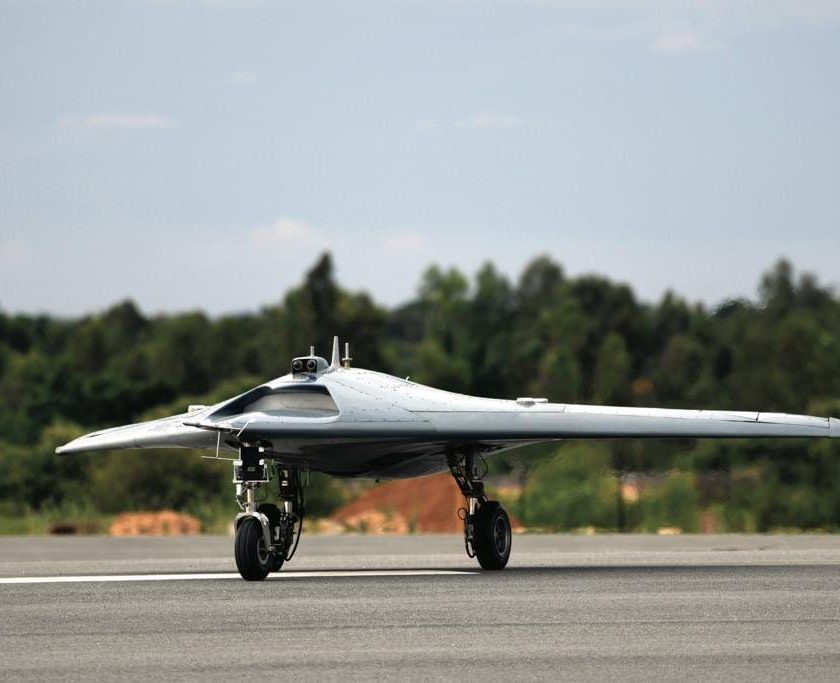
In other developments, DRDO has successfully tested the Autonomous Fighter or Bomber Drone from the secret facility located in Chitra Durga.
Outro:
In the global weapon market, the legal weapon market is $1.8 Trillion. India can get a big bite out of it by making quality weapons. This way, India can not only reduce foreign dependency but also perform faster weapon production and procurements. This way, India can not only save a lot of money on the home front but also earn a lot by exporting them to friendly nations. For the last five years, India was the largest arms importer in the world by buying 11% of the global arms production. But since 2017, India’s purchase of arms and ammunition has fallen by 21%.